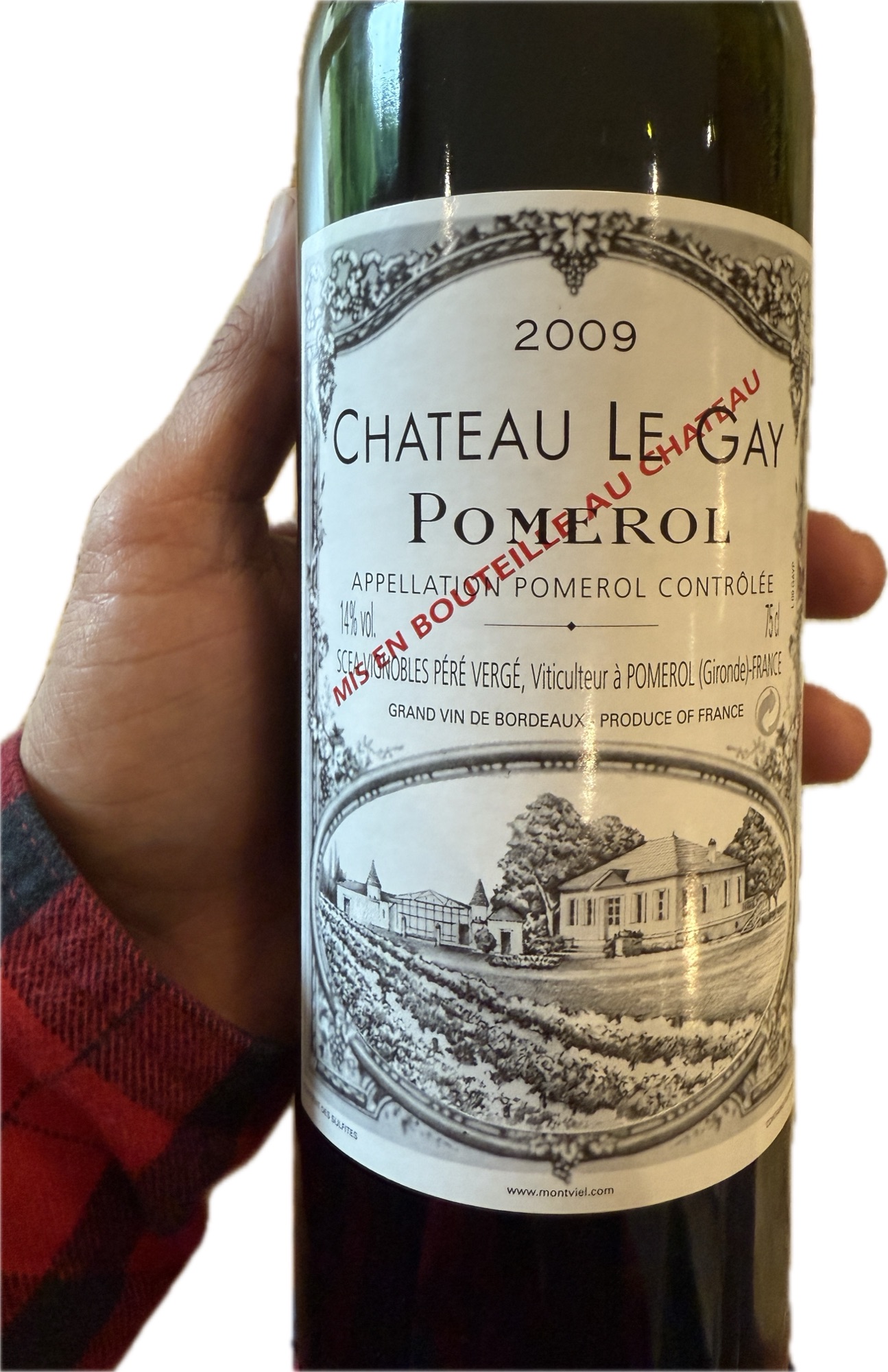
Let’s start with an easy one—screw tops. Just twist off and pour. An increasing number of whites especially from New World regions like New Zealand and Canada, plus German rieslings, are using screw tops. Even new world pinot noirs are getting screw top closures.
It’s fast and easy, and while I won’t get into the debate about cork versus screw tops — suffice it to say that for fresh, easy-drinking wines, screw tops are convenient and safe. You can’t get a corked wine if there is no cork. Screw tops also preserve wine freshness by preventing oxidation, making them ideal for wines meant to be consumed young.
While screw tops are becoming increasingly popular, especially in New World wines, traditionalists often prefer corks. There are different types of corks used in wine bottles. These come in three main varieties: natural cork, composite cork (a medley of cork “crumbs” pressed together), and synthetic corks (made of a non-cork material). But all require a corkscrew!
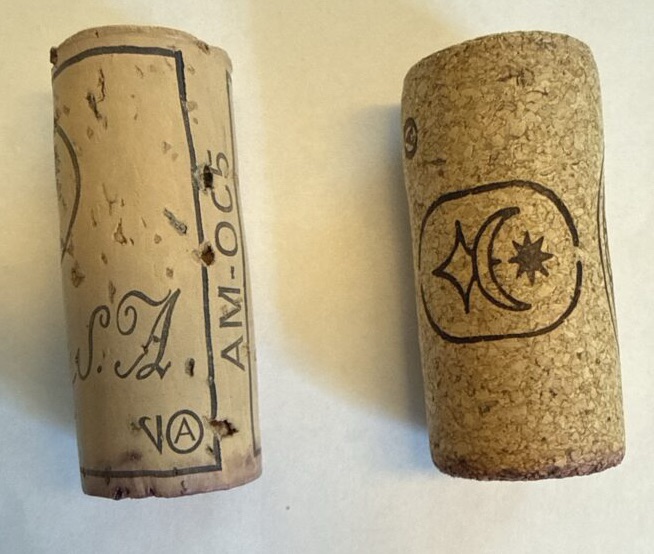
Corkscrews extract the tightly inserted cork without breaking or crumbling it. There are a few types.
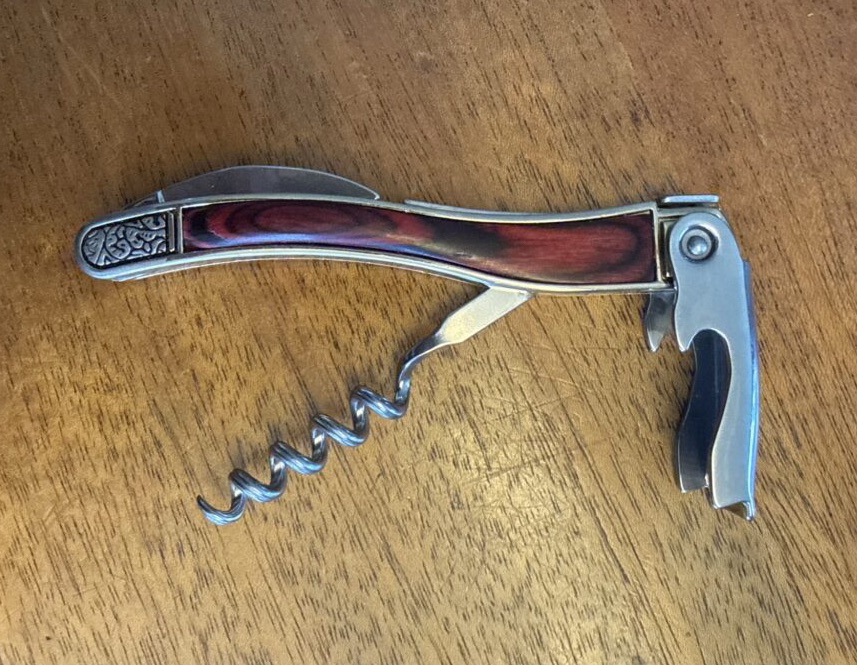
The “waiter’s friend”.
Perhaps the most widely used corkscrew. The double notch on the non screw party is used in a two-stage way. Rather than taking 500 words to explain this, watch this video.
I have a beautiful Laguiole waiter’s friend, given to me a gift. There’s really only one thing to remember when buying one: the longer the “worm” (the screw part), the better. You DO NOT want a short screw which can lead to cork breakage. So get one that’s at least 1.75 inches or 4.5 cm. Supposedly, longer ones will pierce the cork through, but I think that’s less of an issue than not being long enough.
The winged corkscrew
Do me a favour: if you have one of these travesties walk over right now and throw it out. I despise them. I often find them at my in-laws’ and have now taken to bringing my own waiter’s friend along. They are unergonomic, often shatter the cork, are ugly and can even be a little risky on your hands to use. Their tinny corpus feels like a grocery store can opener, as though you were about to open a can of beans, not a bottle of red, luscious wine. Just say no!
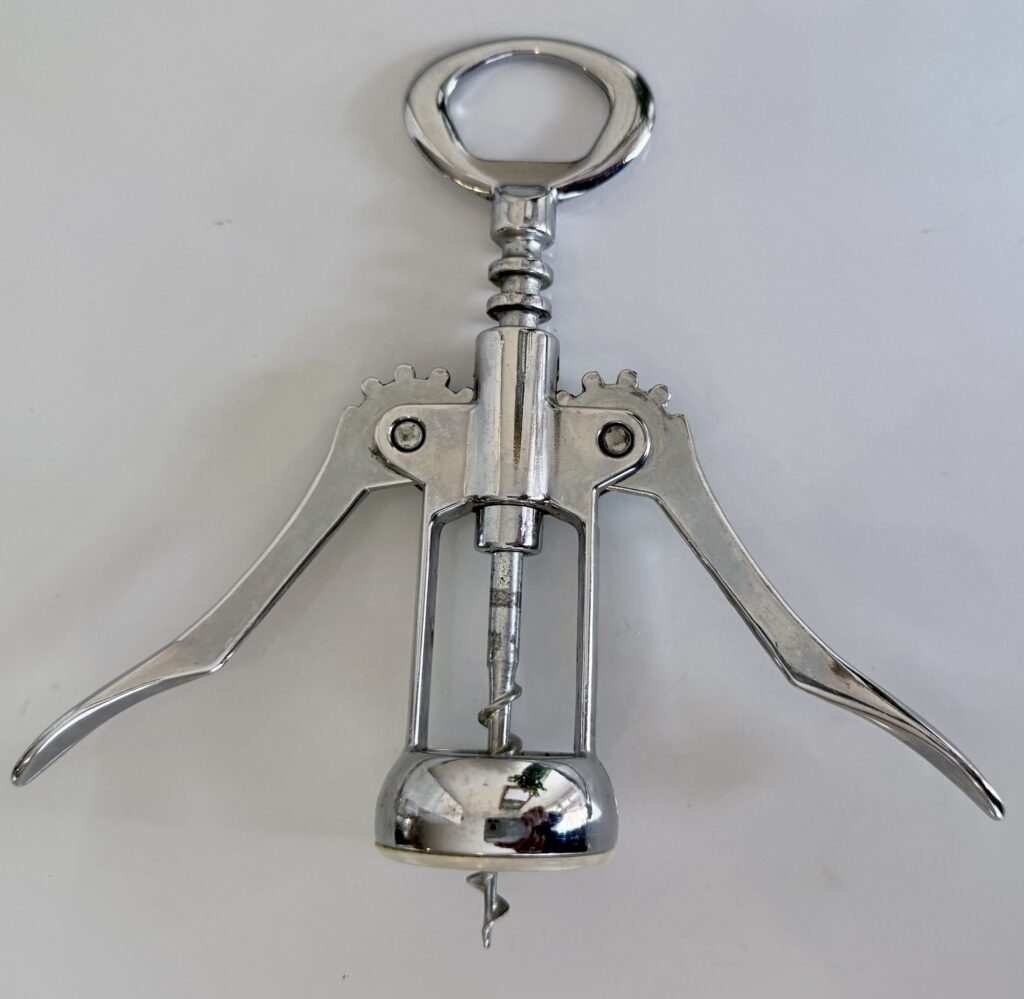
But what if your winged corkscrew looks like these?
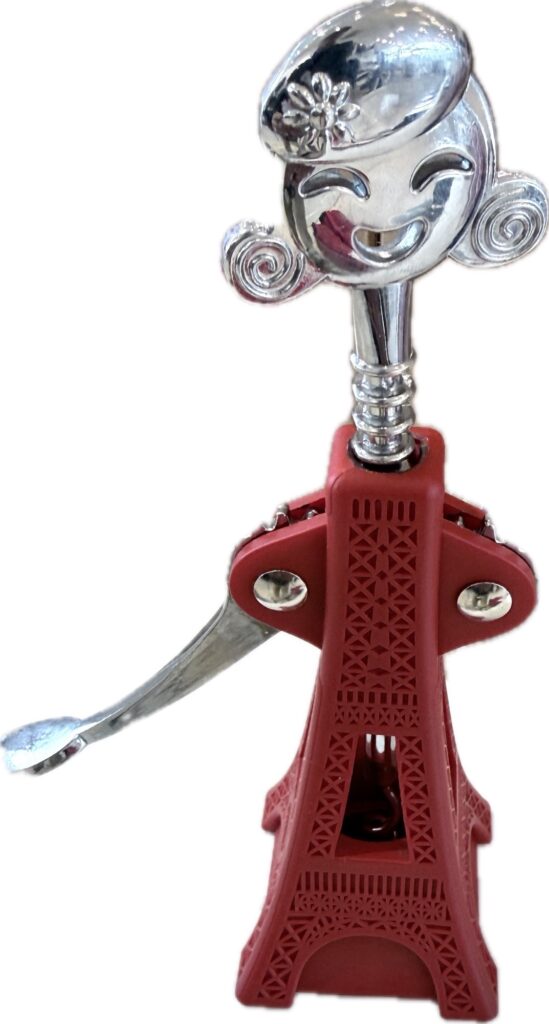
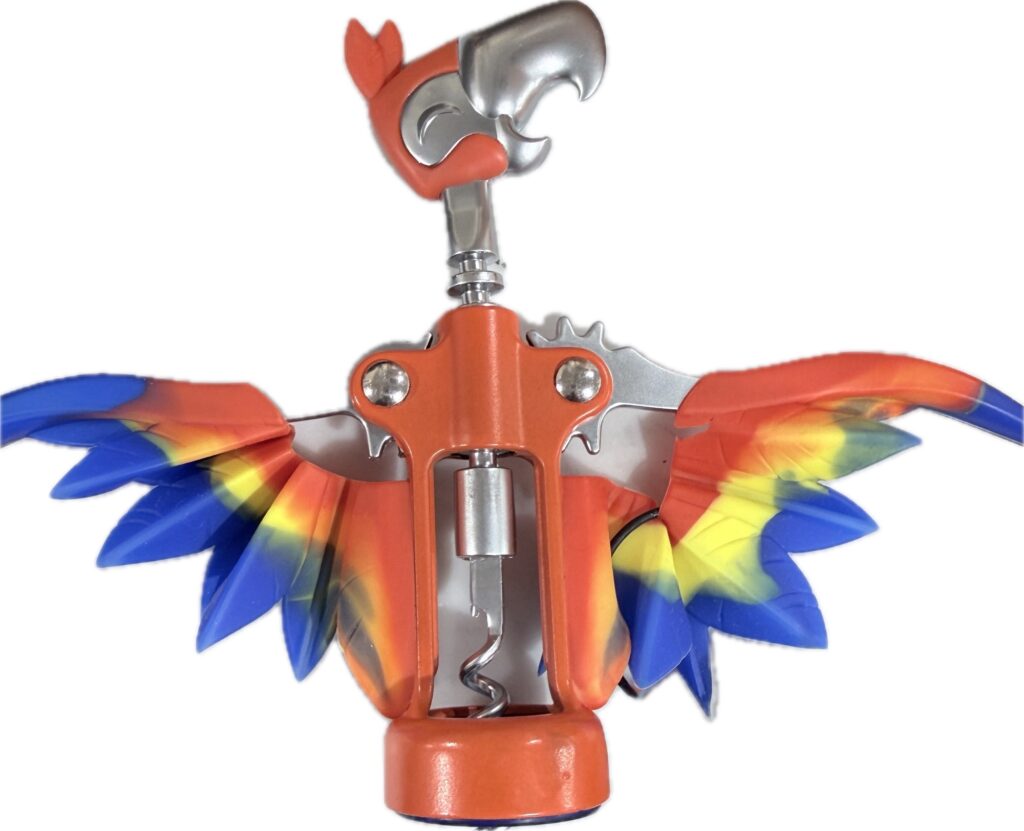
The Le Crueset Screwpull(R).
The winged corkscrew is kind of like simian ancestors are to humans. Their only saving grace is that they gave rise to the Screwpull. I open 70% of my wines with mine. After 30 years my original broke and I replaced it with the same thing. Why so good? Long worm, gentle ergonomics and a low failure rate on cork extractions. Apparently the thing has earned a place at MOMA in New York. Get one.
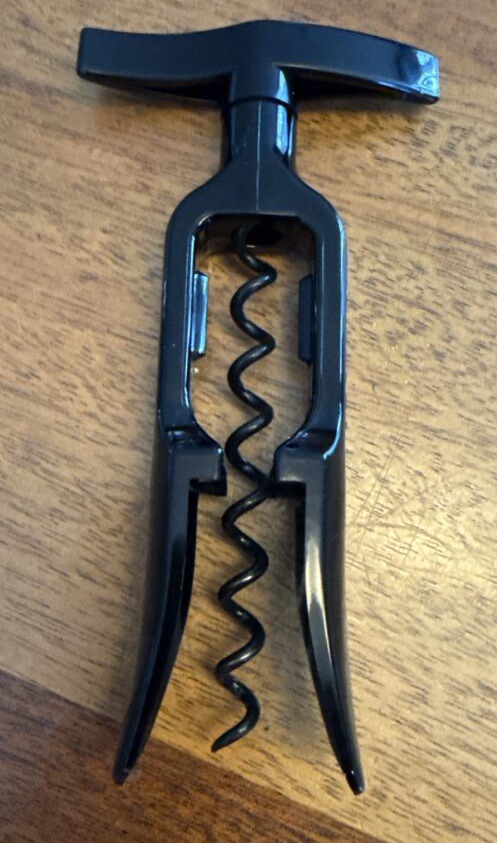
The Ah-So, AKA the butler’s friend.
The Ah So was patented in Germany in the 1880s by Carl F.A. Wienke. It looks like two metals prongs. Well not looks like, that’s what is actually is. You slide it in in either side of the cork and pull the cork out. It’s almost magical the first time you do it. However, I will say that some corks give it difficulty. As in, it’s hard to get the prongs in, or they dig into the cork. I’ve don’t use one frequently, but that’s because I have the tool in the next section. Why is called the Ah-so? Apparently in German, it is “Ach so” meaning “I understand”. Understand what? We’ll never know.
It’s also known as a “butler’s friend” or less kindly, “butlers thief,” since a butler could remove a cork and replace it after stealing a glass or two.
That aside, they supposedly are good for corks that are fragmenting, as the prongs pinch together the fragments and pull them out en masse, so to speak. I’d keep one around for that reason. Because I have the next item I don’t have one so, ah so sorry, no picture.
The master’s tool: the Durand
It took remarkably long for this superb implement to appear – only a little over ten years ago. Guess what? It’s a corkscrew combined with an Ah-So! So not only do you drive the worm down through the cork, you gather and pinch the cork with the Ah-So portion simultaneously. I used this for any wine over 20 years old. Since I drink a lot of older wines that’s the 30% I don’t use the Screwpull for.
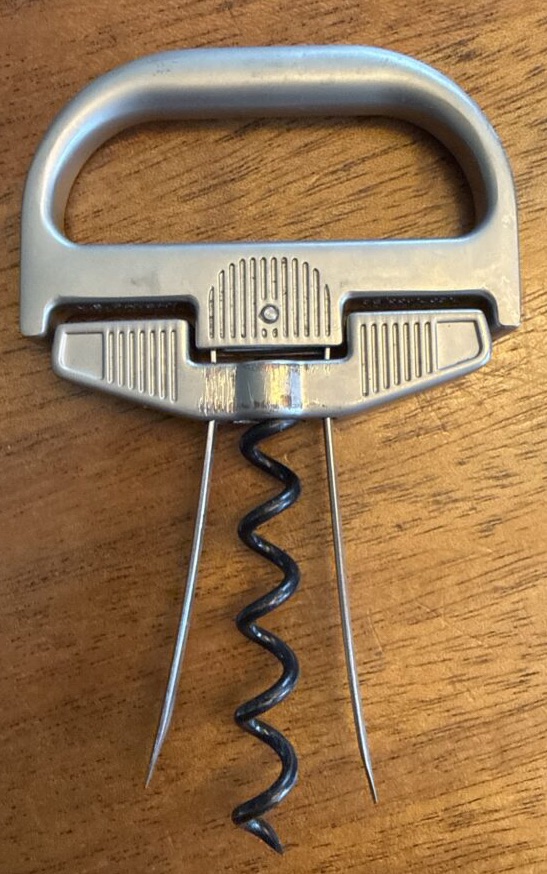
These things are expensive. I’m not sure exactly why – but the original is very well made and will last you forever. It even comes in its own case. If you drink older wines, it’s essential.
What happens if the cork breaks?
Corks can break, broadly, in two ways.
One – the top half snaps off. This is why you want a long worm that ideally extends all the way through the cork to begin with. But if it does snap, just reinsert the cork and extract as normal. More carefully, of course.
Two – the cork shatters or crumbles. This is more annoying because often there isn’t anything left to put the corkscrew back into. Just do the best you can and maybe keep some long tweezers at hand to pick out the pieces. As a last resort, push all the broken bits into the bottle and then decant the wine, using a filter or tea strainer. This is exactly the reason a Durand is helpful for older, more friable corks.
Champagne corks
No, don’t use a corkscrew. Method one: Take off the foil and wire holding the cork. Use a towel and grab the cork only in your towel covered palm. Then using the other hand twist the bottle, not the cork. The cork won’t fly anywhere – it’s in your hand.
Method two is for you show offs out there – sabering the champagne. Apparently derived from Russian soldiers in the 1800s, it involves striking though the neck of the bottle with a sword and breaking it off, cork and all. Here’s a video. https://www.youtube.com/shorts/ETJeXhSk7Qg
There’s a reason these are done outdoors. I’ve never tried it but certainly more dramatic than the recommended way above.
Glass stoppers
There are a very few bottles of wine that use glass stopper, and getting that stopper out is a royal pain in the ass. I resort to a screw driver and wide mouthed pliers if they don’t come out gracefully. Same applies to port. Thankfully this trend has not caught on among winemakers.
So there you have it.
TLDR: Get a Screwpull. If you like old wine, add a Durand. And throw away your winged corkscrew,
Read Wine Basics: The No BS guide to wine glasses